

Und der Haifisch der hat Tränen / Und die laufen vom Gesicht / Doch der Haifisch lebt im Wasser / So die Tränen sieht man nicht (And the shark has tears / And they run down its face / But the shark lives in water / So we don’t see the tears)
Rammstein
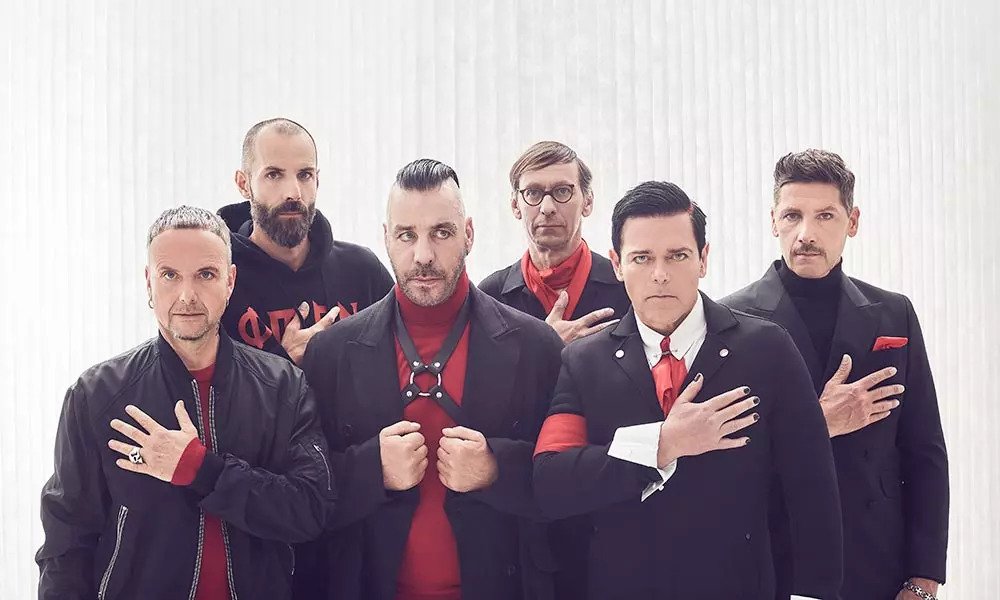
As an English language blog, perhaps writing about the Neue Deutsche Härte group Rammstein shouldn’t be my immediate instinct. However, in an attempt to stay somewhat current, I decided writing on my favourite album of the year would be appropriate in order to write about somewhat recent popular culture, recent and popular being subjective. Despite primarily singing in German, the band has seen enough success worldwide that they are a somewhat familiar name to fans of rock, or especially metal music. The distinctive singing voice of Till Lindemann can often make it seem as though the lyrics are secondary to the instruments and dramatic baritone the words are sung in. One need not know German to enjoy the music but I feel as though it does a disservice to the lyricism and the poetic nature of the words in many of their songs (there are, of course, other songs that are pretty clear in their meaning).
To make up for a non-German speaking audience, the band often utilise visuals in their music videos to convey the meaning behind their songs. Controversially, as with their video for Deutschland, or less so with many of their others, the band use the music video medium to effectively portray the meaning behind the songs or further enhance them to their German speaking audience. Their most recent output of videos perhaps encapsulates this thinking more than past efforts. While Amerika and Mein Land are more overt in leaning into imagery to highlight the lyrics, I wanted to focus on the most recent, Zeit.
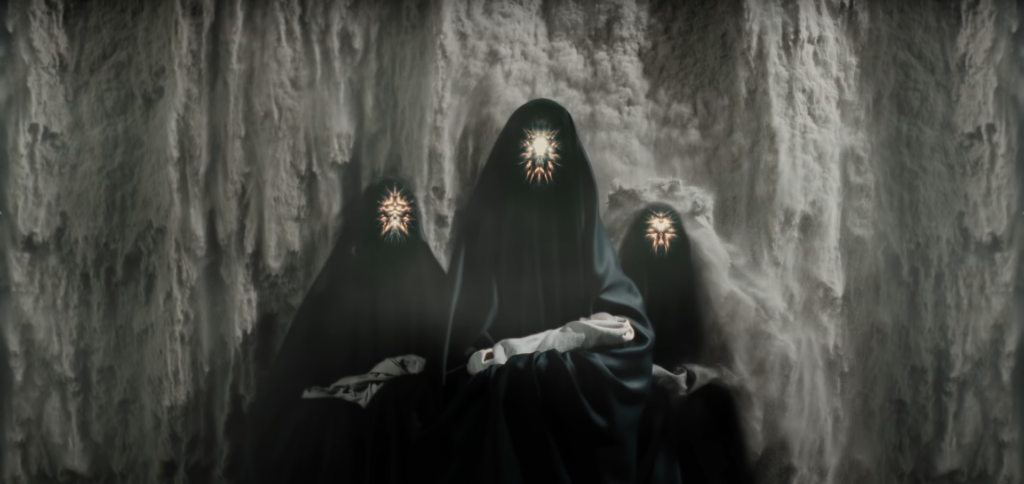
Clear imagery can be found in all of the videos released for their most recent album like Zeit (Time) and Zick Zack (Snip Snip). But I wanted to focus on, arguably, the best song of the album and (probably) the best music video, Angst (Fear).
Having lyrics with roots to an old German playground game, and general fear of the bogey man, or in German “Der schwarze Mann” (The Black Man). This name seems to have its origin in the Black Death that ravaged Europe, rather than merely a xenophobic epithet. The lyrics quite clearly lay out how this figure is used to scare children to behave, noting that “Alle haben Angst vorm schwarzen Mann” (Everyone is scared of the black man). What the music video does so well is that it focuses in on the fearmongering of the unknown, highlighting a typical (presumably American) group of suburban neighbours who grow increasingly scared and paranoid of one another as ghastly cheerleaders dance to the music. The focus is on Lindemann’s character, as a talking head spreading this fear and paranoia throughout broadcasts and on the TVs, prompting the everyone to build walls and stock up on guns before everyone is consumed by their fear.
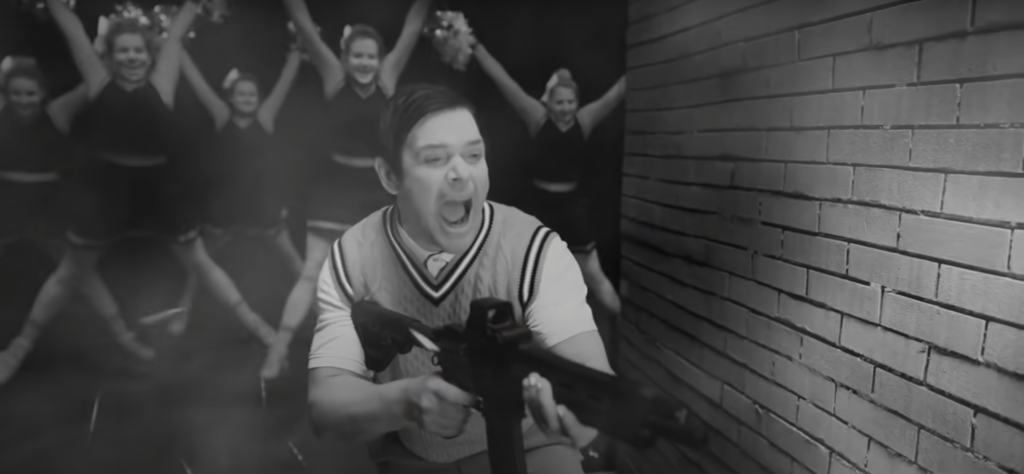
Those unfamiliar with the lyrics in the song will see the message it portrays through the video, of increasingly paranoid suburbanites listening and heading the words of a scaremonger before opening fire. The music video is notably in black and white, save for the red used to link everything back to Lindemann’s talking head. Towards the end of the video, we cut back to the opening of a woman and child surrounded by barbed wire, which is presented as an image on a TV which is then smashed to bring colour back into the video, moving away from the black and white world presented throughout the video. While the lyrics aren’t inherently about racism, despite the use of “the black man”, the band clearly highlight it should be interpreted as such, with the anger and paranoia stoked by Lindemann’s character causing neighbours to turn on one another.
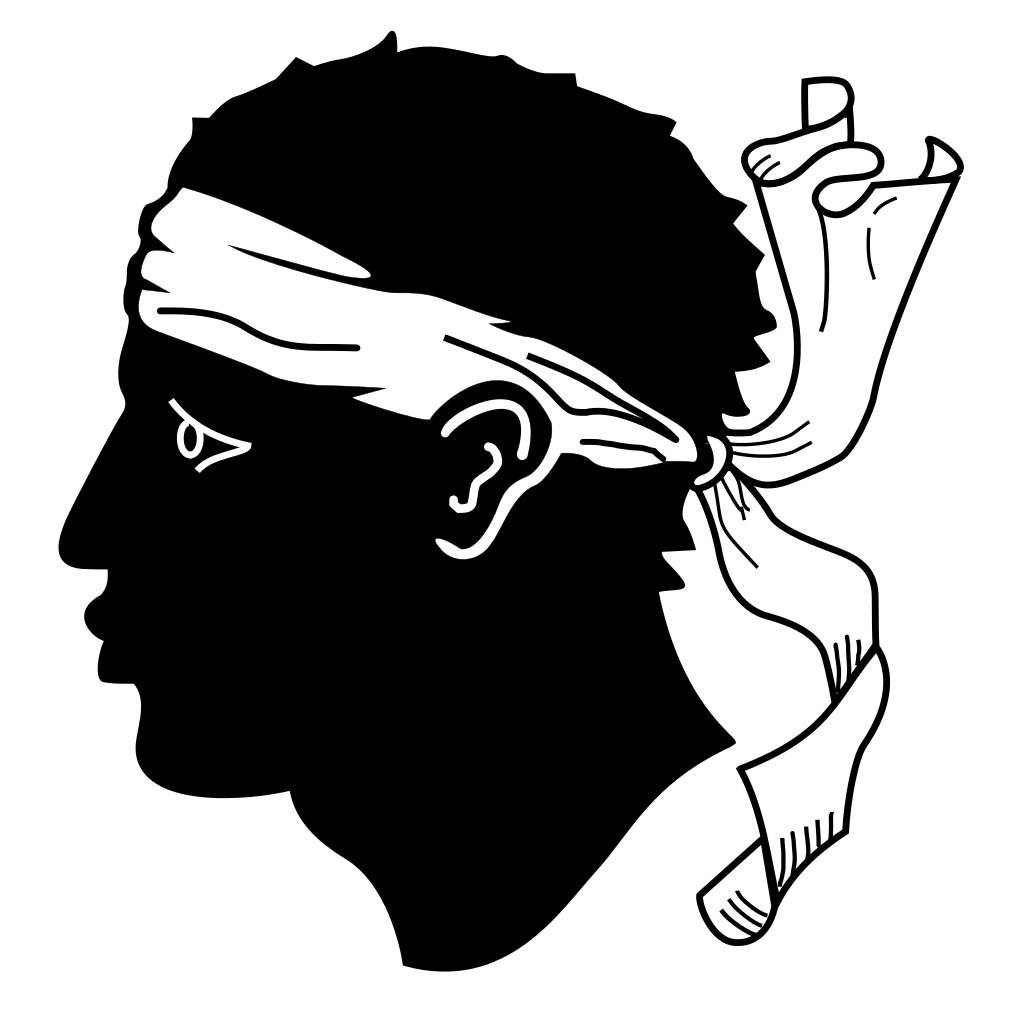
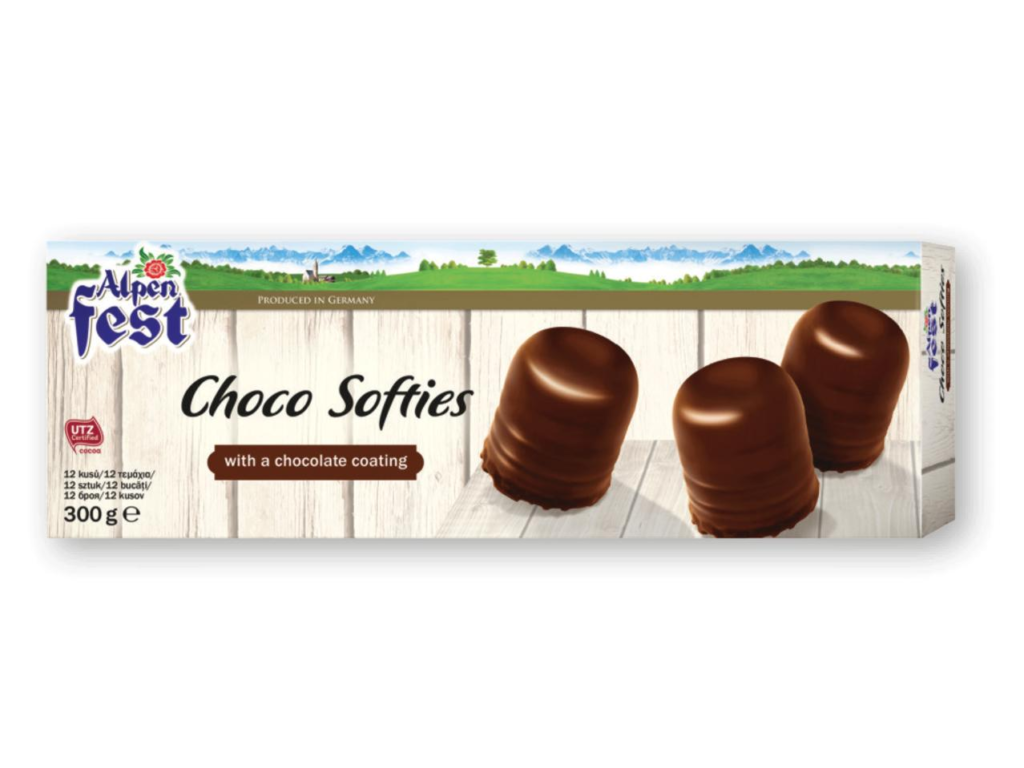
The most important aspect, in my opinion, comes at the end of the video with the band members eating what are known as “Schokokuss”, chocolate-coated marshmallow teacakes. Anyone familiar with these should know why this detail is important. Non-German speakers are presumably unfamiliar with the name given to these traditionally, and in fact the names that continue to be used in some places, although perhaps colloquially more than officially. The term most often used, “Mohrenkopf” (Moor’s Head), refers to the colour of the chocolate, with “Mohr” being an outdated word for people with dark skin. There are other names for it, ranging from more or less racist, but suffice to say it is not coincidence that the band members are eating these teacakes at the end of the video.
The music video makes the warning of the lyrics that much more obvious, especially to those who don’t understand the original German. As a band who has courted controversy many times, be it band members kissing on stage in Russia, or the aforementioned Deutschland music video, it is no wonder the music video so vehemently portrays the negatives of paranoia stoking and xenophobia. The ‘Other’ is portrayed in the video without being present, the fear of the unknown bogeyman causing the destruction of everything in the video. A subtle critique of American culture it is not, but it is nonetheless effective use of visual language to highlight and further the lyrics of the music.